
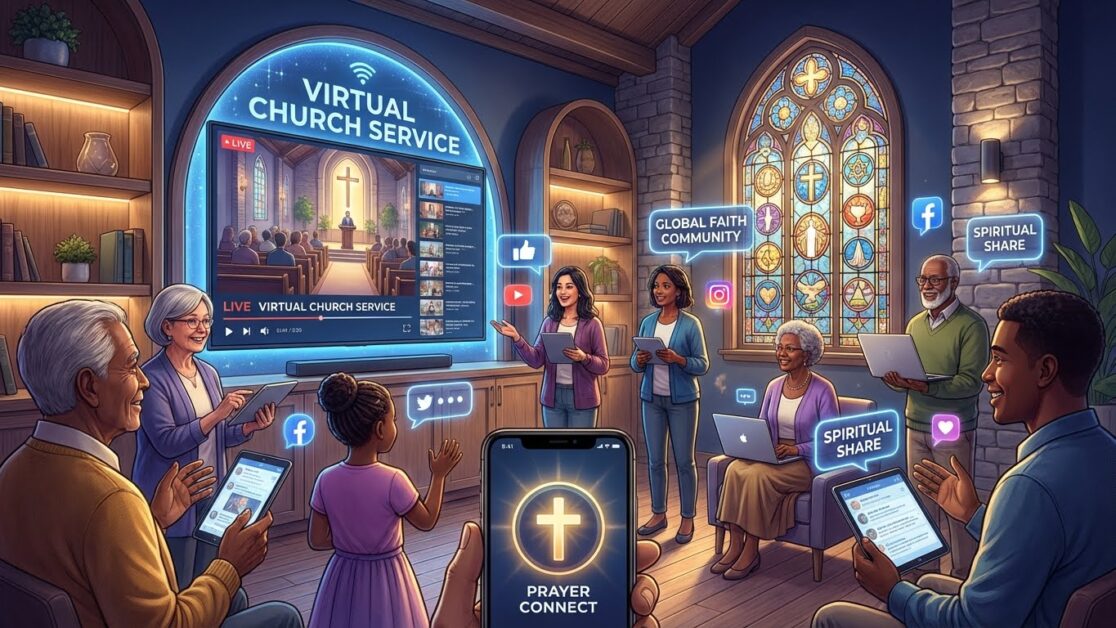
In recent years, technology has played a key role in transforming how religious practices are lived and experienced.
The coexistence of faith with technological innovations emerges as an interesting phenomenon that not only facilitates the participation of the faithful but also redefines religious traditions itself. In this article, we will explore the various ways in which technology is impacting spiritual practices, from the introduction of apps to the streaming of religious services online.
The Digital Connection in the World of Faith
Digitalization has allowed many people to connect with their religious communities more effectively than ever before. Dedicated apps for spiritual content, such as daily Bible verse readings, guided meditations, and even gospel music, are becoming increasingly popular. There are countless platforms offering materials that meet individuals' spiritual needs, enabling them to connect with their beliefs in a practical and accessible way.
These digital tools not only offer enriching content but also foster a sense of community. Faith-based social networks allow users to share experiences, interact with fellow believers, and discuss topics of common interest. The power of social media makes it possible for religious leaders to connect with their congregations even when they are physically distant.
Live Broadcast and Online Worship Services
The COVID-19 pandemic has been a turning point for many churches and religious communities around the world. With the need for social distancing, many congregations turned to live streaming of worship services and religious events, allowing members to stay connected even from their homes. This not only ensured the continuity of religious practices during tough times but also brought new followers who might not have otherwise engaged with the community.
Churches around the world have adapted to this new normal, investing in recording equipment and training their staff. Now, live streaming has become an essential part of the religious experience, allowing pastors and spiritual leaders to reach a global audience, enabling more people to access the message of the gospel.
Apps for Prayer and Spirituality
Maybe one of the most impactful advances is the development of prayer apps. These apps often include daily prayers, reminders for prayer, and even features for meditation and personal Reflection. The idea is that users can incorporate prayer into their daily routines in a convenient and accessible way.
Some apps go further, offering features for people to pray together, creating prayer communities. This helps strengthen bonds between members, even if they are physically apart. Technology, therefore, acts as a facilitator of spirituality, allowing individuals to stay engaged in their faith practices.
Accessibility and Inclusion
Another important aspect that technology brings to religious practices is accessibility. Many religious communities are using captioning and translation technologies, allowing people with hearing impairments or who speak different languages to access services. This is crucial in a world where inclusion is becoming increasingly necessary.
Furthermore, making religious materials available in different formats, such as videos, podcasts, and e-books, makes faith more accessible to everyone. Including various formats caters to a wider range of people, allowing more individuals to connect with their spirituality through what works best for them.
Changes in Traditional Practices
Technology not only complements existing religious practices but is also changing the very traditions. Many churches have incorporated technological elements into their ceremonies, such as the use of projectors to display hymn lyrics and sermons in real time. This not only enhances the worship experience but also allows greater congregation participation.
Moreover, the collection of tithes and offerings has become easier through digital platforms. The ability to donate online has been an effective way for many communities to maintain their financial sustainability, especially in times of crisis. The faithful can contribute in a way that best suits their lives and situations, making the act of giving more accessible.
The Challenge of Authenticity
Despite the many benefits that technology brings to religious practices, there are also challenges to be considered. As technology can become a distraction, a careful balance between using digital tools and genuine spiritual experience needs to be maintained. The challenge is to ensure that innovations do not replace authentic spiritual practice, but rather complement it.
Some religious leaders have raised concerns about entertainment taking the place of spirituality in churches, especially in digitally broadcasted services. There is a growing call for religious communities to stay focused on the essence of faith, even as they explore new technologies.
Connecting Generations
One of the most fascinating aspects of the technological revolution in religious practices is the ability to connect different generations. Young people who grew up in a digital world are more inclined to accept and explore technology in their faith practices. This not only opens new paths for spiritual learning and exploration but also encourages older generations to adapt and explore new ways to experience their faith.
Depending on community acceptance, we may witness the fusion of ancient traditions with new approaches, creating a worship experience that is both familiar and innovative. This can lead to a renewed interest in aspects of faith that may have been forgotten in earlier times.
Conclusion: On the Road to the Future
Ultimately, the intersection between faith and technology is a dynamic and constantly evolving field that promises to shape the religious future. As new innovations continue to emerge, religious communities have the opportunity to reinvent and adapt, ensuring that spiritual practices remain relevant to new generations.
Technology can serve as a powerful tool to enrich the religious experience, promoting connection, accessibility, and strengthening faith communities. The ongoing dialogue between innovation and tradition will be crucial for the future development of religious practices.
Call to Action
We want to hear your opinion! How do you perceive the influence of technology on your faith practice? Share your experiences in the comments and join the conversation. Let's explore together the possibilities that technology offers for our spiritual growth!